
How Fear of Missing Out Is Distorting Healthcare Deal making and Practice Valuations
The Hidden Force Behind Today’s Deal Frenzy
In today’s healthcare M&A environment, FOMO — the fear of missing out — has become a quiet but powerful market driver– influencing how private equity groups, health systems, and physician owners evaluate deals — often pushing decisions faster and higher than fundamentals can justify.
Having completed more than 7,000 practice valuations across 100+ healthcare organizations, I’ve seen this cycle repeat: when deal volume surges, discipline slips, and emotion takes the wheel.
Buyers: Racing the Clock
Private equity firms, MSOs, and health systems are competing intensely to secure “platform” practices – With quality assets scarce, diligence windows are shrinking and valuations are inflating – not always because of improved fundamentals, but because no one wants to be the last to buy in.This race mentality often produces:
- Overpayment and integration challenges
- Unrealized synergies post-acquisition
- Pressure on future returns and fund performance
Sellers: Following the Herd
For physicians, FOMO takes a different form –if they don’t sell now, they’ll miss their chance entirely –rushing to market before optimizing operations, chosingmisaligned buyers, trading long-term autonomy for a quick payout, and too often, the regret that follows it.
When FOMO Meets Valuation
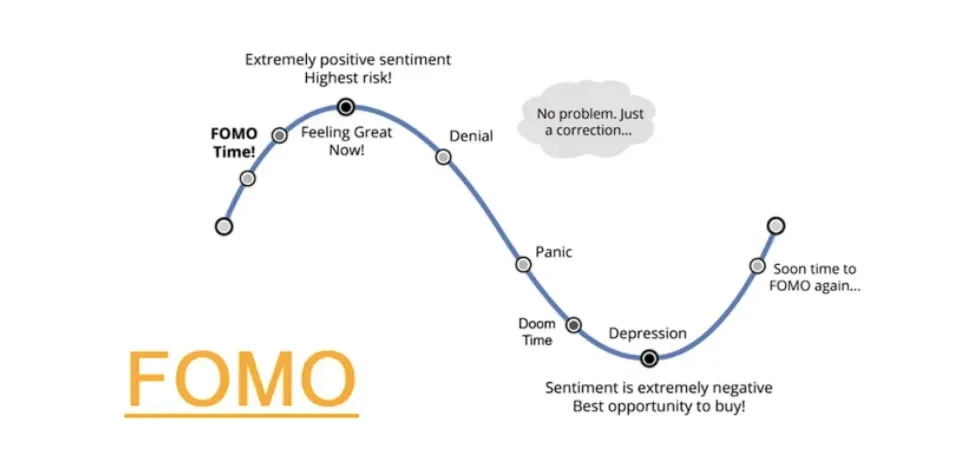
Valuation is meant to be a stabilizing force — an objective analysis of performance, risk, and growth potential- but when FOMO enters the equation, perception replaces principle.
- Buyers rationalize overpayment as “strategic positioning.”
- Sellers assume current market peaks are permanent.
- Both lose focus on fit, timing, and sustainability.
In short: emotion starts to price the deal instead of economics.
A Better Path Forward
The solution isn’t to avoid deals — it’s to ground them in preparation and perspective.
For Sellers:
- Take time to improve efficiency and earnings before going to market.
- Understand your post-close objectives, not just the multiples your peers achieved.
For Buyers:
- Maintain valuation discipline.
- Model realistic post-close performance and integration costs.
For Both:
- Prioritize strategic and cultural alignment.
- Let fundamentals — not fear — guide your timing.
Conclusion: Confidence Over Fear
In healthcare acquisitions, discipline outlasts hype.The best transactions are built on confidence in fit, readiness, and value — not fear of missing out.
About the Author
Brian King is a valuation expert with more than 7,000 practice valuations completed for hospitals, health systems, and physician enterprises across the U.S. Healthscope, Inc. focuses on fair market value, transaction readiness, and strategic advisory for medical practice integrations.
📩Connect with me on LinkedIn to discuss valuation strategy, FMV trends, or physician practice transactions.